Precious Anga
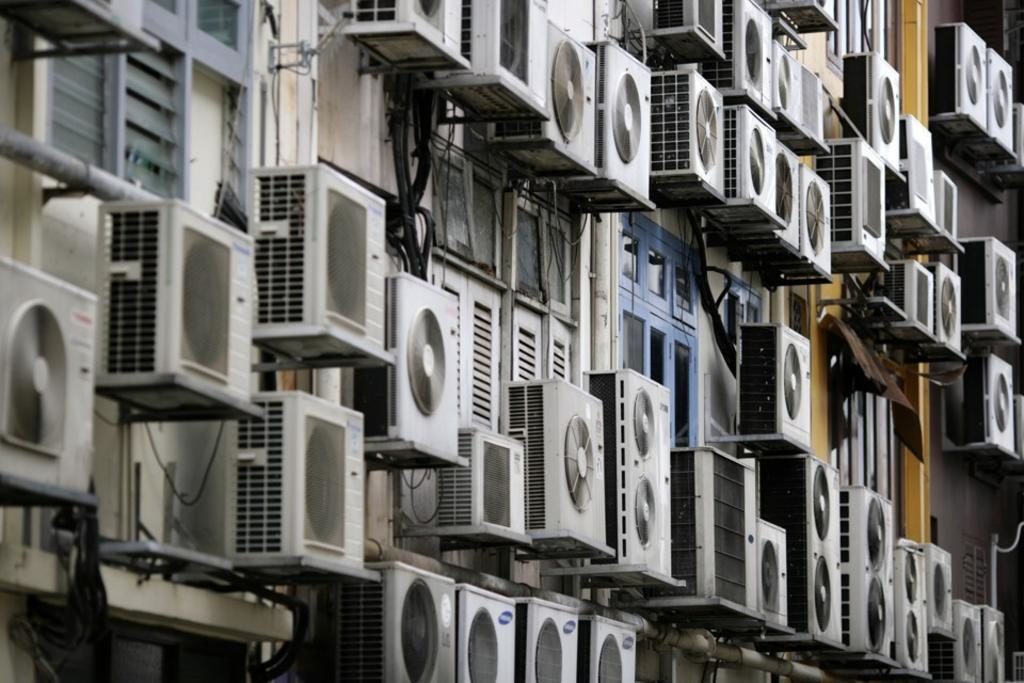
Lagos — The rapid rise in global temperatures is driving a surge in air conditioner adoption across major economies, increasing electricity demand and placing fresh pressure on energy systems already struggling to balance economic growth with climate commitments.
A new report by energy think tank Ember shows that extreme heatwaves in 2024 significantly boosted cooling demand in China, India and the United States, the world’s three largest electricity markets. Air conditioning usage contributed heavily to electricity consumption growth, with cooling demand accounting for nearly a third of China’s increase in power consumption between April and September and driving the entire year-on-year rise in electricity demand in the United States.
The spike in cooling requirements forced countries to rely more heavily on fossil fuels to meet peak demand. Coal-fired generation expanded sharply in China and India, while the United States supplemented growing electricity needs with both natural gas and coal despite increased renewable energy deployment. Analysts warn that rising cooling demand could undermine efforts to reduce global carbon emissions unless cleaner power sources are rapidly expanded.
The trend is no longer limited to traditionally hot regions. Countries across Europe, including the United Kingdom, are witnessing growing demand for cooling systems as heatwaves become more frequent and intense. Britain now has an estimated four million households equipped with air conditioning, reflecting a sharp increase in adoption as record temperatures and remote working reshape household energy needs.
While air conditioning is increasingly viewed as essential for public health and heat-related mortality prevention, experts caution that its growing use presents a climate challenge. Air conditioning currently accounts for about seven per cent of global electricity consumption and roughly three per cent of carbon emissions. Researchers estimate global cooling demand could more than double by 2050 as rising incomes, urbanisation and climate change increase access to cooling technologies.
Energy experts argue that the solution lies not in limiting access to cooling but in accelerating investments in renewable energy, battery storage, rooftop solar systems and more efficient cooling technologies. They maintain that cleaner electricity grids will be critical to ensuring that efforts to stay cool during increasingly severe heatwaves do not further accelerate global warming.