Precious Anga
Lagos — Freshly released internal documents from Shell have intensified scrutiny of the company’s historical operations in the Niger Delta, revealing that senior executives of its former parent company were directly involved in key decisions concerning pipeline operations and environmental risk management in Nigeria.
The documents, which include internal emails, reports, memos and presentations, emerged amid ongoing legal proceedings in the United Kingdom involving oil pollution claims by communities in Rivers State. According to advocacy groups that obtained the records, executives were aware of the environmental risks posed by oil theft, pipeline tampering and illegal connections but approved measures that allowed production activities to continue.
The disclosures challenge long-standing arguments that environmental incidents linked to Shell’s Nigerian operations were solely the responsibility of its former subsidiary, Shell Petroleum Development Company of Nigeria (SPDC). The records suggest senior officials at the former Royal Dutch Shell played a direct role in decisions affecting pipeline operations between 2008 and 2013.
Among the executives referenced in the documents are former Executive Vice-President for Sub-Saharan Africa, Ann Pickard, and former Royal Dutch Shell board member Malcolm Brinded. Internal communications reportedly show discussions over whether to suspend operations on pipelines affected by illegal connections, with concerns raised by technical teams about potential environmental consequences and future compensation liabilities.
The records also reference a programme known as “Project Madrid,” established to address crude oil theft in Nigeria. Meeting notes indicate that senior executives participated in decisions on how production could continue despite growing environmental and operational risks. Some internal presentations reportedly warned that continued operations could expose the company to accusations of knowingly contributing to pollution in the Niger Delta.
The revelations come as communities in Ogale and Bille continue to pursue legal action over alleged environmental damage linked to decades of oil production. Campaigners argue that the documents strengthen claims that company officials were aware of the risks associated with continued operations in affected areas.
Reacting to the disclosures, the Chairman of Human and Environmental Development Agenda (HEDA), Olanrewaju Suraju, said the records support long-standing concerns raised by impacted communities regarding environmental management in the Niger Delta. He added that ongoing remediation and accountability efforts remain critical despite Shell’s divestment from its onshore assets in Nigeria.
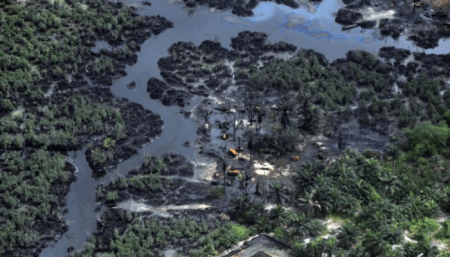
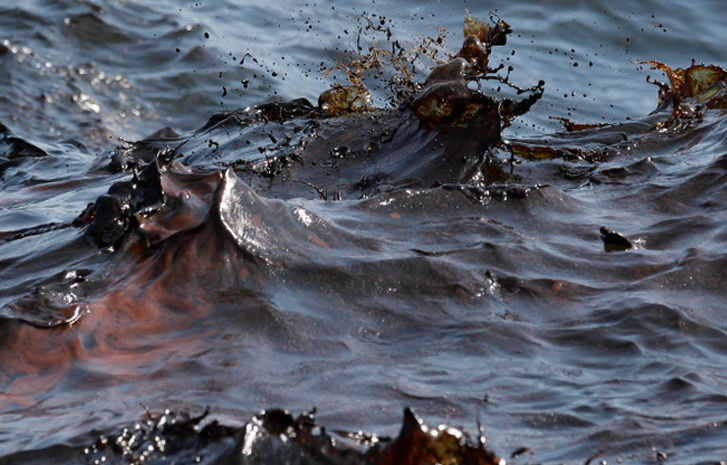
The latest disclosures are expected to add momentum to broader debates around environmental responsibility, corporate accountability and remediation efforts in the Niger Delta, a region that has endured decades of oil spills, pollution and ecological degradation linked to petroleum production activities.