– Boosting local energy supply
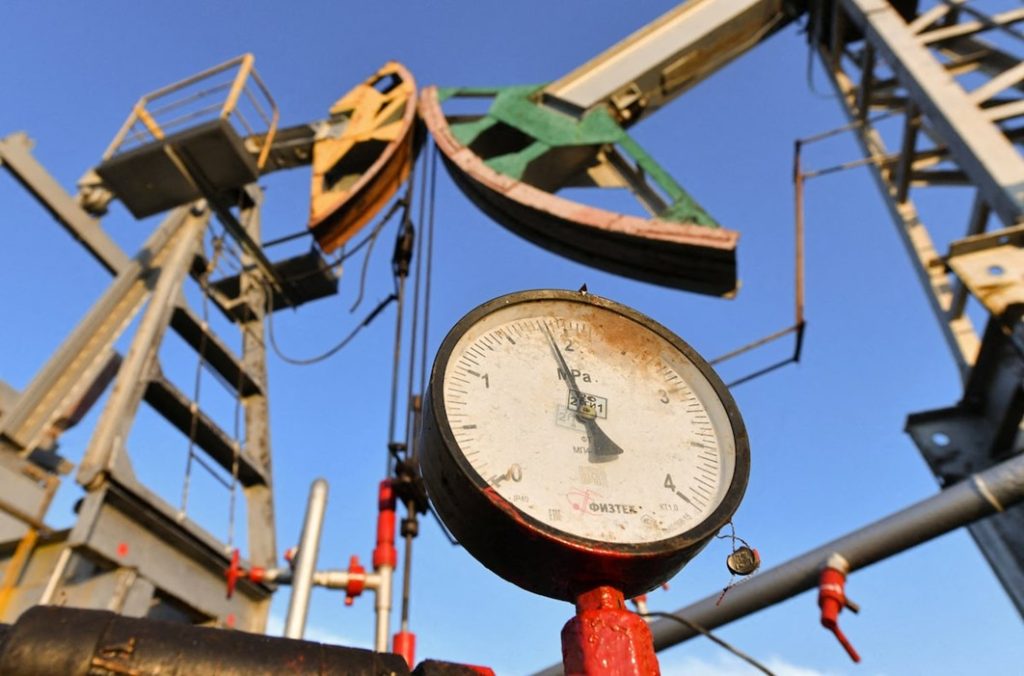
London — Libya’s Waha Oil Company, a subsidiary of the state-owned National Oil Corporation, said on Sunday it had successfully brought two new gas wells online at its Faregh field, enhancing the site’s output and supporting the country’s domestic energy needs.
New gas wells
The addition of the wells, designated as BB-19 and BB-20, marks a key development in Libya’s efforts to ramp up natural gas production amid ongoing challenges in the oil and gas sector.
In a statement on its website, Waha Oil stated: “Waha Oil Company has succeeded in completing the drilling, testing, and placing the two gas wells (BB-19 and BB-20) into production, in accordance with the highest technical standards and using the latest drilling and completion technologies.”
The wells are expected to produce 14 million cubic feet per day and 12 million cubic feet per day, respectively, according to the company.
The Faregh field plays a critical role in Libya’s energy infrastructure, serving as the primary supplier of gas to the Sarir power plant and contributing to the coastal gas network that meets local demand.
The company highlighted the significance of the achievement: “This accomplishment represents important support for the production capacity of the Farigh field, which is the main source for feeding the Sarir power generation plant, in addition to its vital role in supplying the coastal network with natural gas to meet local demand.”
Waha Oil operates as a joint venture involving French energy giant TotalEnergies and U.S.-based ConocoPhillips, alongside the National Oil Corporation.
Libya, a major OPEC producer, has been working to stabilize and increase its hydrocarbon output following years of political instability and conflict that have disrupted operations.
The country’s oil production has fluctuated, but recent efforts by the NOC aim to bolster both oil and gas capacities to support economic recovery and electricity generation.
No immediate comment was available from TotalEnergies or ConocoPhillips on the development.
*Mohammed Addam – Forbes