Precious Anga
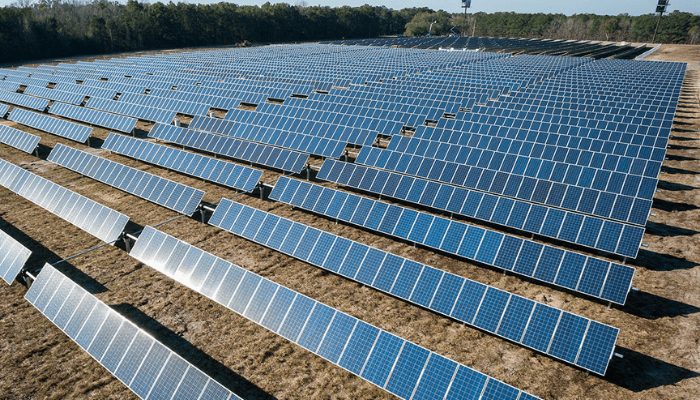
Lagos — Nigerians with solar power systems can now generate additional value from their investments following the introduction of the Nigerian Electricity Regulatory Commission’s (NERC) Net Billing Regulations 2026, a landmark policy that allows consumers to sell excess electricity back to the national grid.
The new framework marks a significant shift in Nigeria’s electricity market by transforming consumers into active participants in power generation. Rather than allowing surplus solar energy to go to waste, eligible households, businesses and industrial operators can now export excess electricity to distribution companies and receive credits in return.
NERC said the regulation was introduced to accelerate renewable energy adoption, improve energy security, strengthen electricity reliability and attract private investment into distributed generation across the country.
Under the scheme, qualified customers known as “prosumers” can install solar photovoltaic systems for self-consumption while supplying unused electricity to the grid through a structured net billing arrangement. The exported power will be measured through bidirectional meters and credited based on tariffs approved by the commission.
The initiative comes at a time when many businesses and households are seeking alternatives to unreliable grid supply and rising energy costs. By creating a financial incentive for solar adoption, the policy is expected to encourage greater investment in clean energy solutions while easing pressure on the national electricity network.
To participate, customers must be connected to a distribution company’s network, install renewable energy systems with capacities ranging from 50 kilowatt-peak (kWp) to 1.5 megawatt-peak (MWp), obtain technical approval from their distribution company and execute a Net Billing Agreement before registration with NERC.
Industry experts say the regulation could unlock a new phase of growth in Nigeria’s renewable energy market, creating opportunities for solar developers, equipment suppliers, metering companies and energy service providers. The framework is also expected to support efforts to reduce dependence on diesel generators, lower carbon emissions and improve electricity access.
For commercial and industrial consumers that have invested heavily in self-generation, the policy offers a pathway to recover part of their energy costs while contributing additional power to the grid. It also provides a practical solution for communities and businesses looking to improve energy resilience amid persistent supply challenges.
Beyond its immediate benefits, the regulation signals a broader transition towards a more decentralised and flexible electricity market, where power generation is no longer limited to large utility-scale plants. Analysts believe the move could gradually reshape Nigeria’s energy landscape by encouraging cleaner, more efficient and consumer-driven power systems.
As implementation begins, stakeholders say the success of the programme will depend on effective metering, transparent compensation mechanisms and strong collaboration between regulators, distribution companies and renewable energy investors. If successfully executed, the initiative could become one of the most important milestones in Nigeria’s journey towards a more sustainable and inclusive electricity sector.