Precious Anga
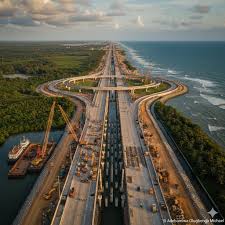
Lagos — Nigeria’s proposed $11 billion Lagos-Calabar Coastal Highway is increasingly drawing scrutiny as environmentalists, coastal communities and conservation groups warn that the mega infrastructure project could deepen ecological damage and threaten livelihoods along the Atlantic coastline.
The 700-kilometre, six-lane highway is one of President Bola Tinubu’s flagship projects, designed to link Lagos to Calabar by 2028 and boost trade, tourism and regional connectivity.
While the government has presented the project as a long-term economic asset, concerns are mounting over its environmental and social consequences.
“This is a road that will outlive all of us,” Tinubu said while inaugurating the first completed section.
Communities along the corridor have expressed mixed feelings. While some residents acknowledge improved access to Lagos and new economic opportunities, others fear displacement and the loss of ancestral lands.
Fisherman Lukman Igara said uncertainty surrounding relocation plans has heightened anxiety among residents who depend on the coastline for their livelihoods.
“We are hearing rumours that we may be moved from our ancestral land,” he said.
Farmers are also reporting the destruction of agricultural assets. Coconut farmer Wasiu Adesanya said sections of his plantation have been cut through by construction activities.
“The road has destroyed many of the coconut trees on the ocean side,” he said.
Environmental advocates argue that the project is being executed at a time when Nigeria’s coastline is becoming increasingly vulnerable to climate change, rising sea levels and accelerated coastal erosion.
Prominent environmental activist Nnimmo Bassey described the highway as “an epitome of climate denial”, warning that the infrastructure itself could become vulnerable if climate risks are ignored.
Conservationists have also raised concerns over plans for parts of the highway to pass through the Stubbs Creek Forest Reserve in Akwa Ibom State, a protected ecosystem that serves as a habitat for endangered species and an important carbon sink.
Researchers warn that clearing sections of the reserve could release millions of tonnes of carbon emissions while weakening natural defences against flooding and erosion.
Environmental groups are now urging the government to reconsider portions of the route and integrate stronger sustainability measures into the project.
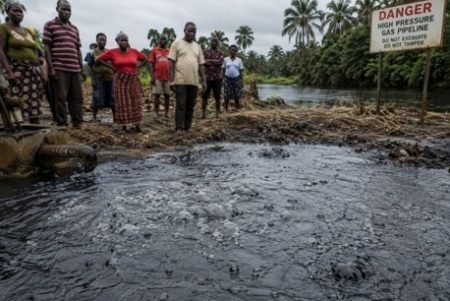
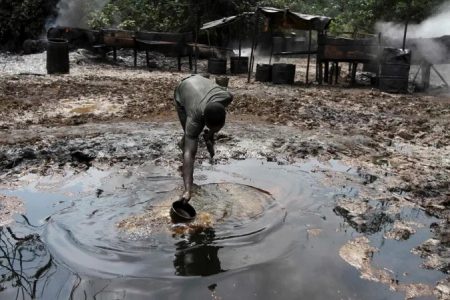
Environmentalist Desmond Majekodunmi said the coastal highway could either become a benchmark for sustainable infrastructure development or repeat decades of environmental mistakes associated with Nigeria’s oil-producing regions.
As construction progresses, analysts say the success of the project will depend on the government’s ability to balance economic ambitions with environmental protection and the preservation of vulnerable coastal communities.
The debate underscores a broader question facing Nigeria: whether rapid infrastructure expansion can coexist with long-term climate resilience and ecological sustainability.