Precious Anga
Lagos — Environmental stakeholders have called for immediate and coordinated action to address mounting ecological challenges in the Niger Delta, warning that continued environmental degradation could undermine livelihoods, economic activities and the long-term sustainability of communities across the region.
The call was made during the Frontline Community Partnership and Ecological Healing Dialogue held in Yenagoa, Bayelsa State, under the Reclaiming Ecological Integrity Project organised by Oilwatch.
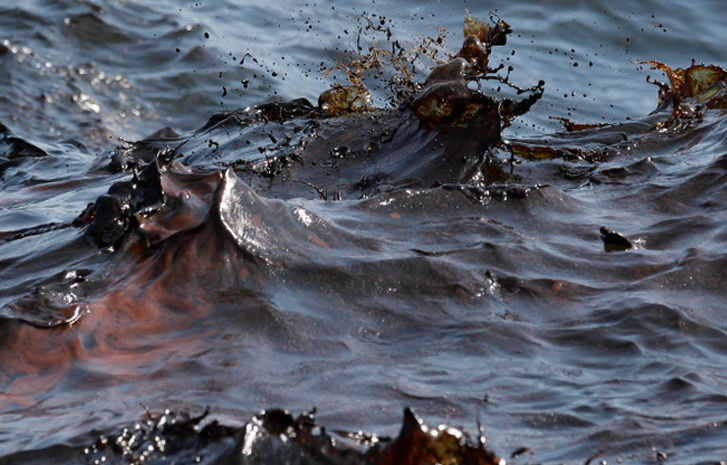
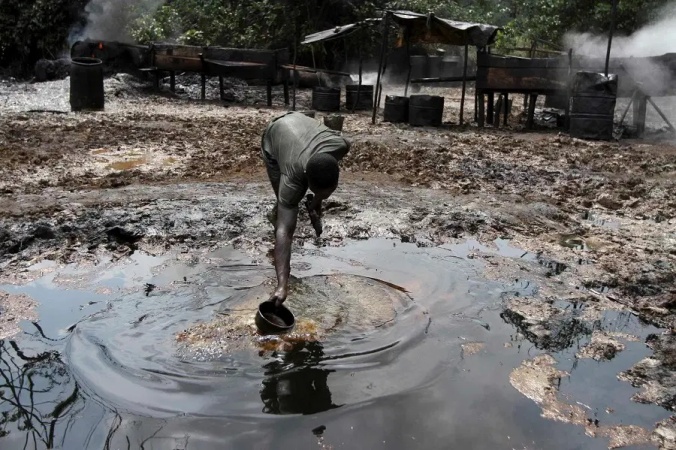
Participants at the forum expressed concern over the cumulative impact of oil pollution, sand dredging, logging and other extractive activities on the region’s fragile ecosystem, stressing that environmental restoration must become a priority for governments, regulators, industry operators and host communities.
Chief Operating Officer of Environmental Conservation, Agriculture and Rural Development, ECARD, Alagoa Morris, said the growing pressure on coastal ecosystems is increasing the vulnerability of communities that depend on the environment for fishing, farming and other economic activities.
He warned that unregulated black sand mining and other extraction activities could accelerate shoreline erosion, threaten critical infrastructure and further weaken ecosystems already affected by decades of environmental stress.
According to him, the region cannot afford to sacrifice long-term environmental stability for short-term economic gains, noting that the cost of environmental degradation is often borne by local communities through loss of livelihoods and declining environmental quality.
Morris also renewed calls for the remediation and restoration of oil-impacted sites across Bayelsa State and other parts of the Niger Delta, stressing that environmental recovery remains essential to sustainable development in the region.
He expressed concern over reports of contaminated sites being subjected to practices that could worsen environmental damage instead of supporting proper clean-up and restoration efforts.
Also speaking, Oilwatch Project Coordinator, Kentebe Ebiariador, said the environmental challenges confronting the Niger Delta have evolved beyond pollution concerns and now represent a broader development issue affecting economic opportunities, public health and future generations.
He noted that years of intensive resource extraction have placed significant pressure on ecosystems that support local economies, creating the need for stronger environmental governance and greater investment in restoration programmes.
Discussions at the dialogue focused on environmental conditions in several communities across Bayelsa State, with participants highlighting the need for stronger regulatory oversight, improved environmental monitoring and sustained remediation efforts.
Stakeholders agreed that reversing decades of environmental damage will require collaboration among governments, development agencies, industry operators, civil society organisations and host communities.
They further emphasised that environmental protection should be viewed not only as a conservation objective but also as an economic imperative capable of supporting livelihoods, strengthening resilience and promoting sustainable development.
The stakeholders maintained that with decisive intervention, stronger environmental accountability and sustained restoration efforts, the Niger Delta can begin to recover from years of ecological decline while creating a more sustainable future for its communities