Precious Anga
Lagos — Nigeria, Algeria and Niger have reaffirmed their commitment to the long-delayed Trans-Saharan Gas Pipeline (TSGP) project, moving the multi-billion-dollar initiative closer to implementation as the three countries seek to strengthen Africa’s energy security and expand gas exports to international markets.
Nigeria’s Minister of State for Petroleum Resources (Gas), Ekperikpe Ekpo, disclosed this during the fifth ministerial meeting of the TSGP Steering Committee in Algiers, where representatives from the three nations reviewed progress on the project and held strategic consultations with Abdelmadjid Tebboune.
Ekpo described the pipeline as a transformative infrastructure project capable of reshaping Africa’s energy landscape through increased regional integration, industrialisation and job creation. He said technical and commercial engagements are ongoing to strengthen the regulatory and financing frameworks required for execution.
According to the minister, officials have reviewed updated feasibility studies and agreed to advance the project into its next phase of development, signalling renewed momentum for one of Africa’s most ambitious energy infrastructure plans.
“This project means a lot to the three countries in terms of industrialisation and job creation,” Ekpo said, adding that Nigeria remains fully committed to ensuring the successful delivery of the pipeline.
The minister also pledged closer collaboration with national oil companies, including NNPC Limited and Sonatrach, alongside counterparts in Algeria and Niger, to accelerate implementation.
President Tebboune reiterated Algeria’s diplomatic and financial support for the project, expressing confidence that the strong political backing demonstrated by the participating countries would help move the pipeline from planning to execution.
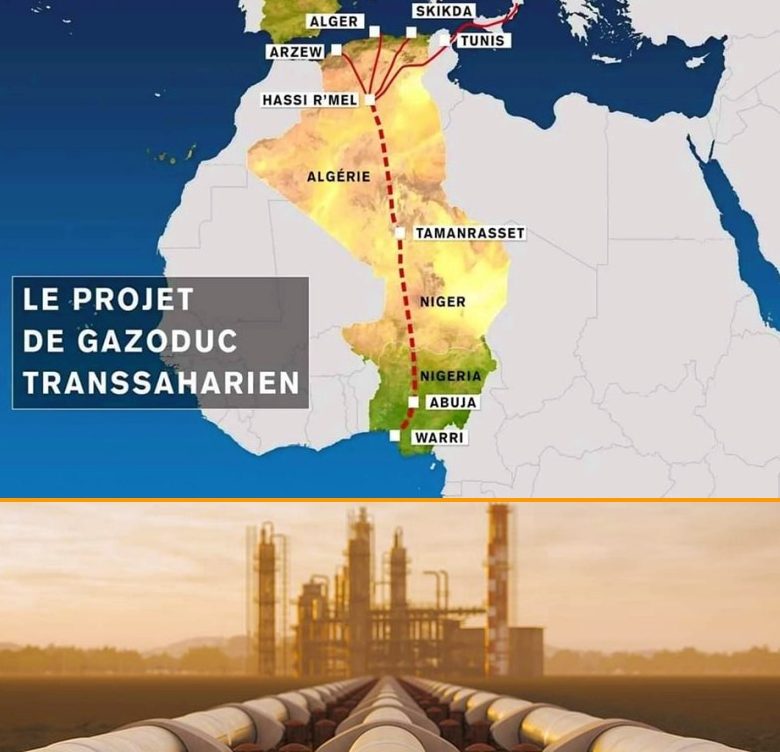
Once completed, the Trans-Saharan Gas Pipeline is expected to transport Nigerian natural gas through Niger to Algeria and onward to European markets, creating new export opportunities while enhancing energy access and economic development across the region. The project is also expected to strengthen Africa’s position in the global gas market amid growing demand for alternative energy supplies.
Industry stakeholders view the renewed commitment as a significant step toward unlocking the continent’s vast gas reserves, supporting energy security goals and driving long-term economic growth across participating countries.