Close Menu
    Facebook X (Twitter) Instagram
    Facebook X (Twitter) Instagram
    SweetCrudeReportsSweetCrudeReports
    Subscribe
    • Home
    • Oil
    • Gas
    • Power
    • Solid Minerals
    • Labour
    • Financing
    • Freight
    • Environment
    • Community Development
    • Renewable Energy
    • E-Editions
    SweetCrudeReportsSweetCrudeReports
    Home » War in the Middle East and consequences for energy markets

    War in the Middle East and consequences for energy markets

    March 4, 2026
    Share
    Facebook Twitter LinkedIn WhatsApp

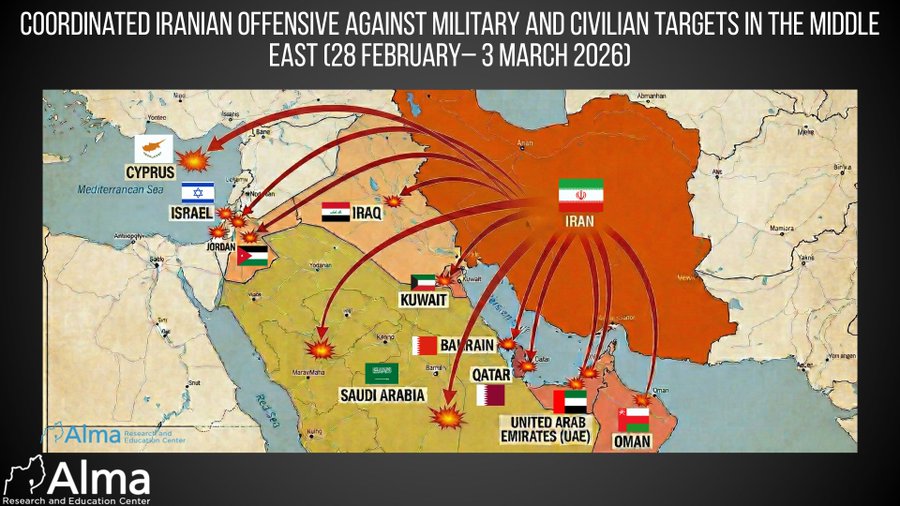
    Lagos — QatarEnergy has suspended LNG production at the world’s largest export facility following military attacks, significantly escalating the crisis. As a result, European gas prices have surged 48% since Friday, according to the ICIS TTF front-month benchmark.

    On Monday morning, the ICIS TTF Early Day assessment for April 2026 stood at $13.94/MMBtu, up 26% from the previous close, before climbing a further 20% in volatile trading after confirmation of the production halt.

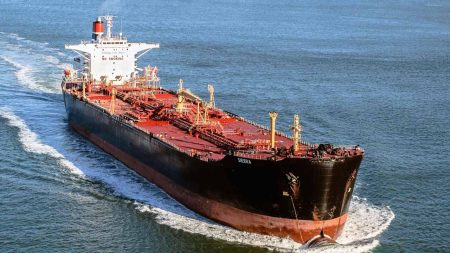
    Meanwhile, no LNG vessels have transited the Strait of Hormuz since Saturday, effectively cutting off around 20% of global LNG supply. Although there is no formal blockade, tankers remain anchored due to heightened security and insurance risks, intensifying supply concerns.

    Oil markets have also reacted, with Brent crude rising more than 10%. However, prices do not yet reflect a full structural supply shock, given the previously well-supplied global oil market.

    Europe imports a relatively small share of its LNG directly from Qatar, but Asia’s dependence is much greater. This is likely to increase competition for flexible LNG cargoes and drive global prices higher. European storage levels, at 30% at the start of February, add to vulnerability ahead of the summer refill season. If disruption persists into the second quarter, further upside in gas and potentially oil prices remains possible, particularly if shipping disruptions and insurance constraints continue to limit flows.

    Key highlighted points:
    – QatarEnergy halts LNG production at the world’s largest plant
    – European gas prices up 48% from Friday levels
    – TTF April ’26 assessed at $13.94/MMBtu, rising sharply after production halt
    – No LNG vessels transiting the Strait of Hormuz
    – Around 20% of global LNG supply effectively cut off
    – Oil up over 10% but not yet pricing full structural supply loss
    – Low European storage increases exposure to prolonged disruption
    Related News

    Schlumberger backs Nigeria’s energy reforms 

    Nigeria’s petrol import bill falls 96% to ₦87.4bn

    Itsekiri youths threaten shutdown of Chevron, Renaissance oil facilities

    Comments are closed.

    E-book
    Resilience Exhibition

    Latest News

    Methane emission regulation enforcement may unlock Nigeria’s gas revenue

    June 10, 2026

    Global banks channel $906bn into fossil fuels in 2025 despite climate commitments

    June 10, 2026

    Nigeria eyes €59m EU Fund to tackle illegal fishing

    June 10, 2026

    Nigeria’s $1trn economy needs investments, not government spending – Shettima

    June 10, 2026

    NERC unveils net billing scheme for solar power producers

    June 10, 2026
    Demo
    Facebook X (Twitter) Instagram
    • Opec Daily Basket
    • Oil
    • Power
    • Gas
    • Freight
    • Financing
    • Labour
    • Technology
    • Solid Mineral
    • Conferences/Seminars
    • Community Development
    • Nigerian Content Initiative
    • Niger-Delta Question
    • Insurance
    • Other News
    • Focus
    • Feedback
    • Hanging Out With Markson

    Subscribe for Updates

    Get the latest energy news from Sweetcrudereports.

    Please wait...
    Please enter all required fields Click to hide
    Correct invalid entries Click to hide
    © 2026 Sweetcrudereports.
    • About Us
    • Advertise with us
    • Privacy Policy

    Type above and press Enter to search. Press Esc to cancel.