Precious Anga
Lagos — Nigeria’s ambitious plan to allow solar energy users to sell excess electricity to the national grid is facing significant implementation challenges, with industry experts warning that inadequate infrastructure could slow the success of the newly introduced policy.
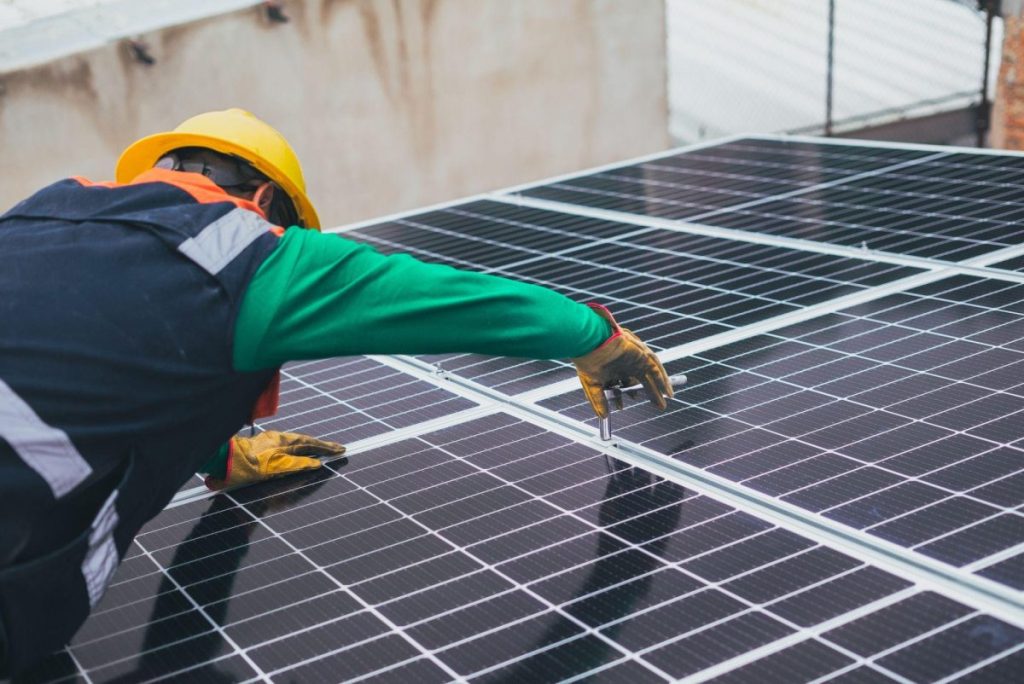
The Nigerian Electricity Regulatory Commission (NERC) recently unveiled the Net Billing Regulations 2026, creating a framework that enables homes, businesses and factories with solar installations to export surplus electricity to the grid and earn credits. The initiative introduces a new category of electricity consumers known as “prosumers” users who both consume and generate power.
The policy is designed to encourage renewable energy adoption, attract private investment, improve energy security and reduce pressure on Nigeria’s overstretched electricity system. Eligible solar users with installations ranging from 50 kilowatt-peak (kWp) to 1.5 megawatt-peak (MWp) can now feed excess power into the grid and receive compensation based on when the electricity is supplied.
However, stakeholders say the policy’s success may be constrained by the country’s limited technical readiness. Chief Executive Officer of Kartel Energy Limited, Ola Ogunsemowo, described the initiative as a major step forward for Nigeria’s energy sector but cautioned that the infrastructure required to support it is largely absent.
According to him, about 90 per cent of the inverters currently installed in Nigerian homes and offices are designed for off-grid use and cannot export electricity to the national grid. Most solar systems in the country were built to provide backup power during outages rather than participate in electricity trading.
Beyond inverter limitations, experts also identified metering as a major obstacle. Despite years of efforts to close the metering gap, millions of electricity consumers remain on estimated billing. Industry players argue that accurately measuring electricity exported from solar systems will be difficult without widespread deployment of advanced bidirectional meters.
The concerns come against the backdrop of persistent instability in the national grid. Nigeria recorded multiple grid collapses in early 2026, reinforcing public distrust in the power sector and accelerating the shift toward independent solar solutions. Industry data show that the country installed about 803 megawatts of solar capacity in 2025 alone, representing a 141 per cent increase from the previous year, with off-grid systems accounting for the overwhelming majority of new installations.
Rising fuel costs have further boosted demand for solar energy. With diesel and petrol prices remaining above ₦1,000 per litre, many households and businesses have turned to renewable energy as a more sustainable alternative to generators. Small and medium-sized enterprises, which account for a significant share of Nigeria’s economy, have been among the biggest beneficiaries of the transition.
Despite the challenges, Nigeria’s solar industry continues to attract investment. The Rural Electrification Agency (REA) estimates that local solar manufacturing capacity has grown from 120 megawatts to about 300 megawatts in the last two years, while more than 3.7 gigawatts of additional capacity is in development. The agency has also expanded solar deployment across rural communities, healthcare centres and productive-use facilities.
Industry analysts believe the new prosumer framework could accelerate investment in large-scale solar projects, particularly for industrial operators and mini-grid developers capable of generating significant excess power. However, they insist that widespread benefits will depend on improvements in grid stability, metering infrastructure and the availability of export-compatible inverters.
As Nigeria pushes toward its target of increasing renewable energy penetration and reducing dependence on fossil fuels, stakeholders say the new policy represents an important milestone. Yet they warn that without the necessary infrastructure and regulatory support, the promise of turning solar users into electricity suppliers may remain more aspirational than transformational.