 29 August 2013, News Wires – The US Geological Survey, USGS, has concluded that the release of hydraulic fracturing fluid into a Kentucky stream in 2007 was likely responsible for a die-off of fish that occured after the spill, including a federally threatened species.
In a joint survey with the US Fish & Wildlife Service, the agency said aquatic die-off occured after a spill deteriorated water quality in the state’s Acorn Fork, the habitat for the Blackside dace, a colourful minnow that has been classified as threatened, a precursor to an endangered species designation.
The area also plays host to more common breeds like the Creek chub and Green sunfish, according to the USGS.
“This is an example of how the smallest creatures can act as a canary in a coal mine,” said Tony Velasco, an ecologist for the state’s fish and wildlife office.
“These species use the same water as we do, so it is just as important to keep our waters clean for people and for wildlife.”
According to the USGS, “samples analyses and results clearly showed that the hydraulic fracturing fluids degraded water quality in Acorn Fork, to the point that the fish developed gill lesions, and suffered liver and spleen damage as well.”
The stream became more acidic, with its pH dropping from 7.5 to 5.6 and toxic concentrations of heavy metals including iron and aluminum.
Even a small spill could seriously harm populations of fish like the Blackside dace because the colonies are often small and in isolated groups, the USGS said.
“Harmful events run the risk of completely eliminating a local population,” according to the agency.
The study is published in the journal Southeastern Naturalist.
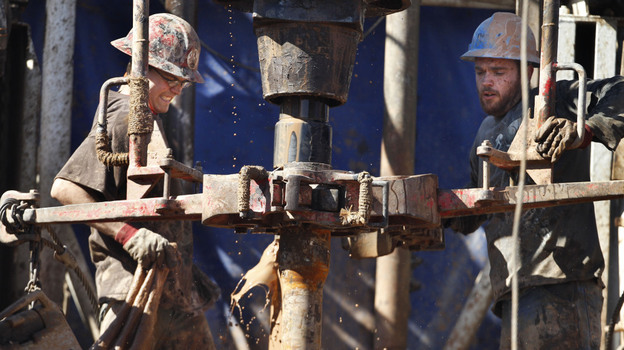
Concerns about environmental impacts from the boom of horizontal drilling and hydraulic fracturing have spurred opposition to shale development in the US.
– Upstream